
Energy efficient HVAC systems for eco-friendly interiors pave the way for a greener and more sustainable future. By harnessing the power of innovative technologies and design principles, these systems not only reduce energy consumption but also contribute to a healthier environment.
Let's delve into the world of energy-efficient HVAC systems and explore how they are revolutionizing the way we think about interior design.
As we navigate through the intricacies of energy-efficient HVAC systems, we will uncover the key elements that make them a cornerstone of eco-friendly living. From design considerations to smart technologies, this discussion will shed light on the importance of embracing sustainability in every aspect of our lives.
Energy Efficient HVAC Systems
Energy-efficient HVAC systems play a crucial role in creating eco-friendly interiors by reducing energy consumption and minimizing the carbon footprint of buildings.
Key Features of Energy-Efficient HVAC Systems
- Use of high-efficiency motors and components to reduce energy consumption.
- Advanced control systems for optimized performance and energy savings.
- Proper insulation and duct sealing to prevent energy loss.
- Variable speed technology for adjusting output based on actual needs.
- Integration with smart thermostats for better energy management.
Reduction of Carbon Footprint
Energy-efficient HVAC systems help reduce the carbon footprint of buildings by lowering energy consumption and greenhouse gas emissions. By optimizing performance and reducing waste, these systems contribute to a more sustainable environment and help combat climate change.
Design Considerations
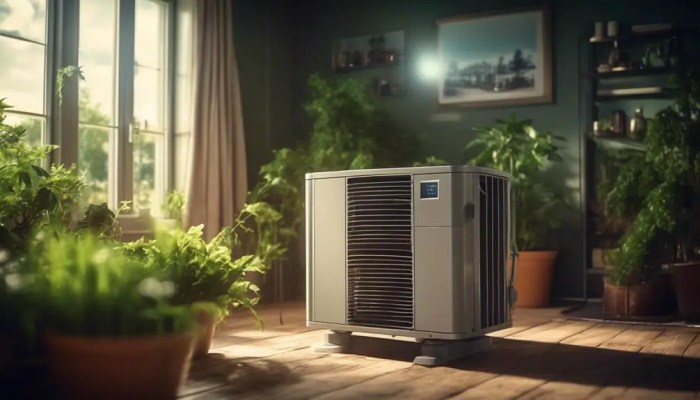
When integrating energy-efficient HVAC systems into interior design, there are several design tips to consider to ensure a seamless and aesthetically pleasing outcome. These systems should not only prioritize energy efficiency but also blend harmoniously with the overall design of the space.
Design Tips for Integration
- Opt for sleek and modern HVAC units that can easily blend into the interior design without being obtrusive.
- Consider hidden or built-in HVAC systems that can be discreetly incorporated into the space, such as in ceilings or walls.
- Choose energy-efficient HVAC systems with customizable design options to match the color palette and style of the interior.
- Ensure proper ventilation and air circulation without compromising the overall aesthetics of the eco-friendly interior.
Comparison with Traditional HVAC Systems
- Energy-efficient HVAC systems offer more design flexibility compared to traditional systems, as they come in various sizes, shapes, and configurations to suit different interior layouts.
- Traditional HVAC systems tend to be bulkier and less visually appealing, often requiring additional design considerations to integrate them seamlessly into the space.
- Energy-efficient HVAC systems provide the opportunity to prioritize both functionality and design aesthetics, creating a more cohesive and sustainable interior environment.
Impact on Aesthetics of Eco-Friendly Interiors
- The design of HVAC systems can significantly impact the overall aesthetics of eco-friendly interiors, influencing the visual appeal and functionality of the space.
- By carefully selecting energy-efficient HVAC systems that complement the design elements of the interior, it is possible to create a cohesive and sustainable environment that enhances the overall ambiance of the space.
- Properly integrating HVAC systems into the interior design can contribute to a more visually pleasing and environmentally conscious space, promoting a sense of harmony and balance.
Sustainable Materials
When it comes to energy-efficient HVAC systems, the choice of materials plays a crucial role in determining their environmental impact. By using sustainable materials in the manufacturing process, HVAC systems can significantly reduce their carbon footprint and contribute to eco-friendly interiors.
List of Sustainable Materials
- Bamboo: Known for its rapid growth and renewable nature, bamboo is a popular choice for sustainable HVAC components.
- Recycled Steel: Using recycled steel in HVAC units helps reduce the demand for new resources and minimizes waste.
- Cork: Cork is a sustainable material that provides excellent insulation properties, making it ideal for HVAC system components.
- Recycled Glass: Incorporating recycled glass in HVAC systems helps divert waste from landfills and reduce the energy required for production.
Environmental Impact of Material Choice
The materials used in energy-efficient HVAC systems have a direct impact on the environment. By opting for sustainable materials, manufacturers can lower greenhouse gas emissions, conserve natural resources, and promote a circular economy. These materials also help improve indoor air quality and create healthier living spaces for occupants.
Durability and Recyclability
Sustainable materials are often chosen for their durability and recyclability. HVAC components made from these materials have a longer lifespan, reducing the need for frequent replacements and minimizing waste generation. At the end of their use, these materials can be recycled or repurposed, further reducing their environmental impact and closing the sustainability loop.
Smart Technologies
Smart technologies play a crucial role in optimizing the energy efficiency of HVAC systems by allowing for more precise control and automation. These technologies help reduce energy waste and improve overall system performance, making them an essential component of eco-friendly interiors.
Integration of Smart Thermostats
Smart thermostats are key components in energy-efficient HVAC systems, as they enable users to set customized schedules, monitor energy usage, and make adjustments remotely. These devices can learn the user's preferences and adjust settings accordingly, leading to significant energy savings.
By integrating smart thermostats into HVAC systems, users can enjoy better comfort levels while reducing energy consumption.
Use of Sensors for Energy Management
Sensors play a critical role in enhancing the performance of eco-friendly HVAC systems by providing real-time data on temperature, humidity, occupancy, and air quality. By utilizing sensors, HVAC systems can adjust their operation based on actual conditions, ensuring optimal energy usage.
For example, occupancy sensors can detect when a room is empty and adjust the temperature settings accordingly, saving energy without compromising comfort.
Examples of Smart Features
Some examples of smart features that enhance the performance of eco-friendly HVAC systems include:
- Remote monitoring and control capabilities
- Zoning systems for targeted heating and cooling
- Adaptive learning algorithms for personalized comfort settings
- Integration with smart home automation systems
By incorporating these smart features into HVAC systems, users can achieve greater energy efficiency and sustainability in their interiors.
Cost Benefits
Installing energy-efficient HVAC systems can result in significant cost savings in the long run. While the initial investment may be higher compared to traditional systems, the energy savings and lower maintenance costs over time make them a more cost-effective option.
Additionally, government incentives and rebates are often available to promote the installation of energy-efficient HVAC systems, further offsetting the initial costs.
Analyzing Cost Savings
- Energy savings: Energy-efficient HVAC systems consume less energy, leading to lower utility bills.
- Maintenance costs: These systems often require less maintenance, reducing long-term repair and replacement expenses.
- Extended lifespan: Energy-efficient systems tend to have a longer lifespan, providing additional cost savings over time.
Comparing Initial Investment Costs
- Higher upfront cost: Energy-efficient HVAC systems typically have a higher initial investment compared to traditional systems.
- ROI over time: Despite the higher upfront cost, the long-term cost savings in energy consumption and maintenance often result in a positive return on investment.
Government Incentives and Rebates
- Tax credits: Some governments offer tax credits for installing energy-efficient HVAC systems, reducing the overall cost of the system.
- Rebates: Utility companies or government programs may provide rebates for purchasing and installing energy-efficient systems, making them more affordable for consumers.
- Incentive programs: Various incentive programs aim to promote the use of energy-efficient technologies, offering financial benefits to encourage their adoption.
Maintenance and Upkeep
Regular maintenance and upkeep are crucial for ensuring the longevity and optimal performance of energy-efficient HVAC systems. By following best practices and taking proactive measures, you can maximize the efficiency of your system and avoid costly repairs down the line.
Importance of Regular Servicing and Cleaning
- Regular servicing helps identify and address any issues before they escalate, preventing major breakdowns and costly repairs.
- Cleaning filters, coils, and ducts improves airflow and efficiency, reducing energy consumption and extending the lifespan of the system.
- Proper maintenance also ensures that your system operates at peak performance, providing consistent comfort and indoor air quality.
Tips on Troubleshooting Common Issues
- Check thermostat settings to ensure they are correctly configured for optimal efficiency.
- Inspect air filters regularly and replace them if dirty or clogged to maintain airflow and prevent strain on the system.
- Keep outdoor units clear of debris and vegetation to promote proper airflow and prevent overheating.
- Listen for unusual noises or odors coming from the system, as they may indicate potential issues that need attention.
- Schedule regular professional inspections and tune-ups to keep your energy-efficient HVAC system running smoothly.
Conclusion
In conclusion, energy-efficient HVAC systems for eco-friendly interiors offer a holistic approach to creating sustainable living spaces. By prioritizing energy efficiency, design innovation, and smart technologies, these systems not only enhance the aesthetics of interiors but also promote environmental stewardship.
Embracing these cutting-edge solutions is a step towards a greener tomorrow.
General Inquiries
How do energy-efficient HVAC systems help reduce carbon footprint?
Energy-efficient HVAC systems use advanced technologies to optimize energy consumption, resulting in lower greenhouse gas emissions and reduced environmental impact.
What are some examples of smart features in eco-friendly HVAC systems?
Smart features like programmable thermostats, occupancy sensors, and zoning systems help maximize energy efficiency and comfort in eco-friendly interiors.
Are there any government incentives for installing energy-efficient HVAC systems?
Yes, many governments offer rebates, tax credits, or other incentives to encourage the adoption of energy-efficient HVAC systems, promoting sustainability and energy conservation.