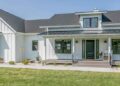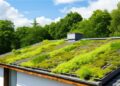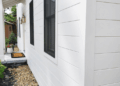
Commercial siding and roofing services lay the foundation for this captivating exploration, providing readers with a comprehensive look at the importance of quality materials and expert maintenance. From the impact of poor siding to the array of materials available, this narrative delves into the key aspects of enhancing commercial buildings.
As we delve deeper, we uncover the significance of choosing the right roofing system, the benefits of regular maintenance, and the considerations that can make or break the longevity of commercial structures.
Importance of Commercial Siding and Roofing Services
Quality siding and roofing play a crucial role in maintaining the structural integrity and appearance of commercial buildings. Investing in professional services for these areas can provide numerous benefits for businesses.
Impact of Poor Siding or Roofing
- Poor siding can lead to water leaks, mold growth, and decreased energy efficiency, causing discomfort for employees and customers.
- Leaky roofs can result in water damage to interior spaces, equipment, and inventory, leading to costly repairs and potential business interruption.
- Both poor siding and roofing can create a negative impression on clients and visitors, affecting the reputation and credibility of the business.
Benefits of Professional Services
- Professional installation of quality siding and roofing materials ensures durability, weather resistance, and long-term performance.
- Regular maintenance and inspections by professionals can help prevent costly repairs and extend the lifespan of the building's exterior.
- Upgrading to energy-efficient siding and roofing materials can lead to reduced utility costs and a more sustainable operation for the business.
Types of Commercial Siding Materials
When it comes to commercial siding, there are various materials to choose from, each with its own unique features and benefits. Let's explore some of the most common options used in commercial construction.
Vinyl Siding
Vinyl siding is a popular choice for commercial buildings due to its affordability and low maintenance requirements. It is available in a wide range of colors and styles, making it versatile for different design preferences. While vinyl siding is durable and resistant to rot, it may not be as sturdy as other materials like metal or fiber cement.
Metal Siding
Metal siding, typically made of aluminum or steel, is known for its exceptional durability and longevity. It provides excellent protection against harsh weather conditions and is fire-resistant. However, metal siding can be more expensive than other options, and it may require periodic repainting to maintain its appearance.
Wood Siding
Wood siding offers a classic and natural look that can enhance the aesthetic appeal of commercial buildings. Cedar and redwood are popular choices for wood siding due to their resistance to decay and insects. However, wood siding requires regular maintenance, such as staining or painting, to prevent rotting and warping over time.
Fiber Cement Siding
Fiber cement siding is a composite material made of cement, sand, and cellulose fibers. It is known for its exceptional durability, resistance to fire, insects, and rot. Fiber cement siding can mimic the appearance of wood or masonry while offering low maintenance requirements.
Although it may be more costly upfront, its long lifespan and minimal upkeep make it a cost-effective choice in the long run.
Considerations for Choosing Commercial Roofing
When choosing a roofing system for commercial buildings, there are several important factors to consider. From weather resistance to energy efficiency, the decision can have a significant impact on the building's functionality and longevity.
Importance of Weather Resistance
Weather resistance is crucial when selecting a commercial roofing material. The roof must be able to withstand harsh weather conditions such as rain, snow, wind, and extreme temperatures. A durable and weather-resistant roof will help protect the building's interior and maintain its structural integrity over time.
Importance of Energy Efficiency
Energy efficiency is another key consideration when choosing a commercial roofing system. A well-insulated roof can help regulate the temperature inside the building, reducing the need for heating and cooling. This can lead to lower energy costs and a more comfortable indoor environment for occupants.
Lifespan and Cost Implications of Different Roofing Materials
Different roofing materials have varying lifespans and cost implications. Asphalt roofs are a popular choice due to their affordability, but they may need more frequent maintenance and replacement compared to metal or EPDM roofs. Metal roofs are durable and long-lasting, making them a cost-effective option in the long run.
EPDM roofs are known for their flexibility and weather resistance, but they may have a higher upfront cost.
Benefits of Regular Maintenance
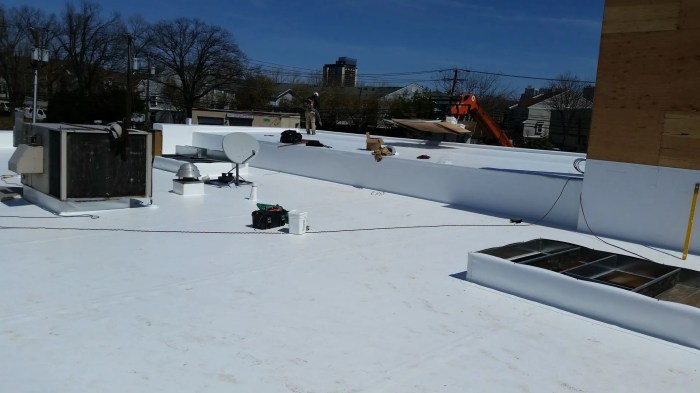
Regular maintenance is crucial for the longevity and performance of commercial siding and roofing. By conducting routine inspections and upkeep, businesses can enjoy several advantages that contribute to cost savings and building integrity.
Advantages of Regular Inspections and Maintenance
- Early detection of potential issues before they escalate into major problems.
- Prolonged lifespan of siding and roofing materials through timely repairs and maintenance.
- Improved energy efficiency by addressing leaks, gaps, or damage that could lead to heat loss.
- Enhanced curb appeal and property value by keeping the exterior of the building in top condition.
Checklist for Routine Maintenance Tasks
- Inspecting for signs of wear and tear, such as cracks, dents, or loose shingles.
- Cleaning gutters and downspouts to prevent water buildup and potential water damage.
- Checking for leaks or water infiltration in the interior of the building.
- Trimming tree branches near the roof to prevent damage from falling debris.
Preventing Costly Repairs or Replacements
Regular maintenance helps in identifying issues early on, allowing for timely repairs and preventing costly replacements. By investing in proactive upkeep, businesses can save money in the long run and avoid potential disruptions to operations due to unexpected repairs. It also ensures that the building remains structurally sound and compliant with safety regulations.
End of Discussion
In conclusion, the world of commercial siding and roofing services is a complex yet rewarding one. By understanding the nuances of materials, maintenance, and selection criteria, businesses can ensure their properties stand the test of time and weather. Stay informed, stay protected, and reap the benefits of a well-maintained commercial space.
User Queries
What are the common materials used for commercial siding?
Common materials include vinyl, metal, wood, and fiber cement.
How can poor siding or roofing impact a business?
Poor siding or roofing can lead to structural damage, reduced energy efficiency, and a negative impact on the building's aesthetics.
Why is regular maintenance important for commercial siding and roofing?
Regular maintenance helps prolong the lifespan of siding and roofing, prevents costly repairs, and ensures the structural integrity of the building.