With primary care physicians for family healthcare at the forefront, this paragraph opens a window to an amazing start and intrigue, inviting readers to embark on a storytelling journey filled with unexpected twists and insights.
Primary care physicians play a crucial role in providing comprehensive healthcare to families, addressing a wide range of medical needs and promoting overall well-being. As the first point of contact for many individuals, these healthcare professionals are instrumental in preventive care, managing chronic conditions, and coordinating specialized care when necessary.
Let's delve into the world of primary care physicians and explore the significance of their role in family healthcare.
Importance of Primary Care Physicians in Family Healthcare
Primary care physicians play a crucial role in providing comprehensive healthcare to families by serving as the first point of contact for medical needs. They focus on preventive care, health maintenance, and the early detection and management of various health conditions.
Benefits of Having a Primary Care Physician for Managing Family Health Needs
- Personalized Care: Primary care physicians develop a long-term relationship with each family member, allowing for personalized care tailored to individual health needs.
- Coordination of Care: They coordinate care between specialists and other healthcare providers to ensure a holistic approach to health management.
- Preventive Services: Primary care physicians emphasize preventive services such as vaccinations, screenings, and lifestyle counseling to promote overall wellness.
- Management of Chronic Conditions: They are equipped to manage chronic conditions like diabetes, hypertension, and asthma, providing ongoing support and monitoring.
Common Conditions or Illnesses that Primary Care Physicians Can Address Within a Family
- Upper Respiratory Infections: Primary care physicians can diagnose and treat common colds, sinus infections, and allergies within a family.
- Skin Conditions: They can address skin rashes, eczema, acne, and other dermatological issues affecting family members.
- Minor Injuries: Primary care physicians can provide care for minor injuries such as sprains, cuts, and bruises, ensuring proper healing.
- Mental Health Concerns: They are trained to identify and manage mental health conditions like anxiety, depression, and stress in family members.
Qualifications and Training of Primary Care Physicians
Primary care physicians undergo extensive education and training to ensure they are well-equipped to provide comprehensive healthcare services to individuals and families. Let's delve into the qualifications and training required for these healthcare professionals.
Educational Requirements
Primary care physicians typically begin their journey by completing a bachelor's degree from an accredited institution. Following this, they must attend medical school to earn a Doctor of Medicine (M.D.) or Doctor of Osteopathic Medicine (D.O.) degree. Medical school education usually lasts for four years and includes both classroom learning and hands-on clinical experience.
Specialized Training
After graduating from medical school, aspiring primary care physicians must complete a residency program in family medicine, internal medicine, or pediatrics. These residency programs typically last for three to four years and provide intensive training in diagnosing and treating a wide range of medical conditions.
Residents work under the supervision of experienced physicians to gain practical experience in various healthcare settings.
Importance of Ongoing Education and Certifications
Continuous education and certifications are crucial for primary care physicians to stay updated with the latest advancements in healthcare and maintain their licensure. Many primary care physicians pursue board certification in their respective specialties, which involves passing a rigorous exam to demonstrate their knowledge and skills.
Additionally, participating in continuing medical education (CME) activities helps primary care physicians enhance their clinical expertise and provide high-quality care to their patients.
Services Offered by Primary Care Physicians
Primary care physicians play a crucial role in providing comprehensive healthcare services to families. They offer a wide range of medical services that encompass preventive care, acute care, chronic disease management, and coordination of care with specialists when needed.
Range of Medical Services
Primary care physicians are trained to diagnose and treat a variety of health conditions across all age groups within a family. Some of the services they typically offer include:
- Regular check-ups and physical exams
- Management of common illnesses such as colds, flu, and infections
- Chronic disease management for conditions like diabetes, hypertension, and asthma
- Behavioral health screenings and counseling
- Immunizations and vaccinations
- Women's health services including Pap smears and family planning
- Referrals to specialists for further evaluation and treatment
Comparison with Specialists
While primary care physicians provide a wide range of general medical services, specialists focus on specific areas of medicine such as cardiology, dermatology, or orthopedics. Primary care physicians serve as the first point of contact for patients and coordinate care with specialists when necessary.
They provide holistic and preventive care, while specialists offer in-depth expertise for particular health conditions.
Preventive Care Measures
Primary care physicians emphasize the importance of preventive care to maintain overall health and well-being. Some examples of preventive care measures they may recommend for families include:
- Annual flu shots for all family members
- Regular screenings for conditions like high cholesterol, diabetes, and cancer
- Healthy lifestyle recommendations including diet and exercise plans
- Childhood immunizations according to recommended schedules
- Smoking cessation programs for family members who smoke
Building a Relationship with Your Primary Care Physician
Establishing a strong relationship with your primary care physician is crucial for effective family healthcare. This bond allows for better communication, personalized care, and overall improved health outcomes for you and your loved ones.
Effective Communication Tips
- Be open and honest about your symptoms, concerns, and health history.
- Ask questions to clarify any medical information or instructions provided.
- Keep a record of your medications, allergies, and past treatments to share with your physician.
- Follow up on recommended tests, referrals, or appointments as advised by your primary care physician.
Benefits of Continuity of Care
Maintaining a long-term relationship with your primary care physician ensures continuity of care, which has numerous advantages:
- Enhanced trust and confidence in your healthcare provider.
- Better coordination of care between specialists, if needed.
- Early detection of health issues based on your family's medical history.
- Personalized preventive care plans tailored to your unique needs and risks.
Conclusive Thoughts
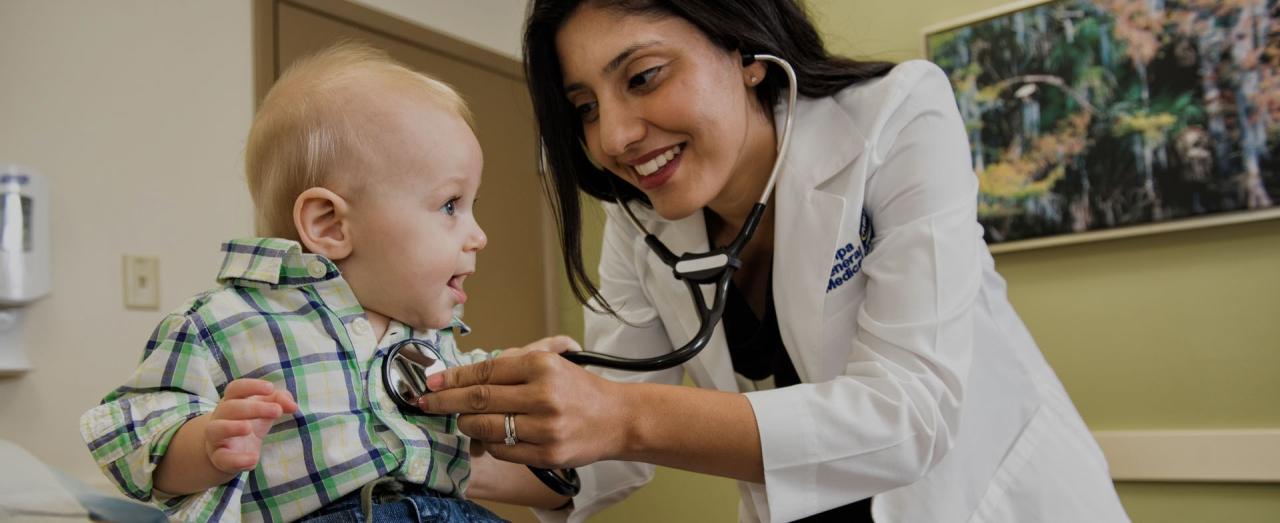
In conclusion, primary care physicians serve as the cornerstone of family healthcare, offering personalized and continuous support to individuals of all ages. By establishing a strong relationship with a primary care physician, families can ensure proactive management of their health needs and access a comprehensive range of medical services.
Remember, the key to optimal well-being often begins with a trusted primary care provider who understands your family's unique medical history and values your overall health and wellness.
Common Queries
How often should my family see a primary care physician?
It is recommended to have annual check-ups with your primary care physician for preventive care and early detection of any health issues.
Can a primary care physician treat chronic conditions?
Yes, primary care physicians are trained to manage and treat a variety of chronic conditions such as diabetes, hypertension, and asthma.
What should I bring to my first appointment with a primary care physician?
It's helpful to bring your medical history, a list of current medications, any relevant test results, and your insurance information to your first appointment.