Eco-friendly roofing and siding materials offer a sustainable solution for environmentally conscious homeowners looking to make a positive impact. From reducing energy costs to minimizing carbon footprint, these materials are paving the way for a greener future. Let's delve into the world of eco-friendly roofing and siding materials to uncover the benefits, types, and installation techniques that can transform your home into an eco-friendly haven.
Benefits of eco-friendly roofing materials
Using sustainable roofing materials brings several environmental advantages. These materials are typically made from recycled or renewable resources, reducing the demand for new raw materials and decreasing the overall environmental impact of construction projects.
Contribution to Energy Efficiency
Eco-friendly roofing materials can help improve energy efficiency in buildings by providing better insulation and reducing heat transfer. For example, cool roof materials reflect more sunlight and absorb less heat, helping to maintain lower indoor temperatures and reduce the need for air conditioning.
This ultimately leads to lower energy consumption and decreased greenhouse gas emissions.
Cost Savings
Installing eco-friendly roofing materials can also result in long-term cost savings for homeowners and businesses. While the initial investment may be slightly higher than traditional roofing materials, the energy savings over time can offset the upfront costs. Additionally, some eco-friendly materials have longer lifespans and require less maintenance, further reducing expenses in the long run.
Types of eco-friendly roofing materials
When it comes to eco-friendly roofing materials, there are several options available in the market that offer sustainability and durability.
Sustainable Roofing Materials
- Recycled Shingles: Made from recycled materials such as plastic, rubber, or wood fibers, these shingles are a popular choice for eco-conscious homeowners.
- Solar Tiles: These innovative tiles not only provide protection for your roof but also harness solar energy to power your home.
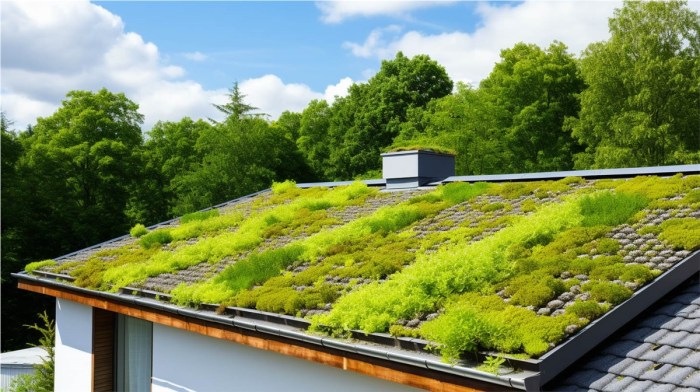
- Green Roofs: These roofs are covered with vegetation, providing natural insulation and absorbing rainwater, reducing runoff.
Durability and Longevity
Eco-friendly roofing materials are known for their durability and longevity, often outlasting traditional roofing materials. For example, green roofs can last up to 50 years with proper maintenance.
Maintenance Requirements
- Recycled Shingles: Require minimal maintenance, with occasional inspections for damage or debris buildup.
- Solar Tiles: Regular cleaning and inspections to ensure optimal energy production.
- Green Roofs: Regular maintenance such as pruning, weeding, and irrigation to keep the vegetation healthy and thriving.
Sustainable siding materials for environmentally conscious homes
When it comes to creating an environmentally conscious home, choosing sustainable siding materials is just as important as selecting eco-friendly roofing options. Sustainable siding materials not only contribute to reducing your carbon footprint but also enhance the aesthetic appeal of your home.
Popular eco-friendly siding materials
There are several popular siding materials that are considered eco-friendly due to their sustainable nature. These include:
- Reclaimed wood: Utilizing reclaimed wood for siding helps reduce the demand for new timber, thus conserving forests.
- Fiber cement: Made from a blend of cement, sand, and cellulose fibers, fiber cement siding is durable and low maintenance.
- Recycled metal: Siding made from recycled metal is not only long-lasting but also reduces the need for new metal production.
- Bamboo: Bamboo siding is a renewable resource that grows quickly, making it a sustainable choice for siding material.
Impact of sustainable siding materials on reducing carbon footprint
Choosing sustainable siding materials can significantly reduce the carbon footprint of your home. By opting for materials that are recycled, reclaimed, or renewable, you are helping to minimize the environmental impact of your construction or renovation project.
Aesthetic appeal of eco-friendly siding options
Aside from their environmental benefits, eco-friendly siding options also offer a wide range of aesthetic choices. From the natural warmth of reclaimed wood to the sleek modern look of recycled metal, these sustainable materials can enhance the curb appeal and overall appearance of your home.
Installation techniques for eco-friendly roofing and siding
When it comes to installing eco-friendly roofing and siding materials, proper techniques are crucial to ensure maximum efficiency and longevity of the products. Here are some best practices and tips to consider:
Installing Eco-Friendly Roofing Materials
- Ensure proper insulation: Proper insulation can help improve energy efficiency and reduce heating and cooling costs. Make sure to follow manufacturer guidelines for installation.
- Use recycled materials: Opt for roofing materials made from recycled content to reduce environmental impact. These materials are often durable and can last for many years.
- Choose a reputable contractor: Hiring a professional contractor with experience in installing eco-friendly roofing materials is essential to ensure proper installation and avoid any potential issues.
- Regular maintenance: Regular inspections and maintenance can help prolong the lifespan of eco-friendly roofing materials. Check for any damage or wear and tear and address them promptly.
Proper Installation of Sustainable Siding Materials
- Follow manufacturer instructions: Always follow the manufacturer's guidelines for installing sustainable siding materials to ensure proper installation and warranty coverage.
- Use environmentally friendly adhesives: Opt for adhesives and sealants that are low in volatile organic compounds (VOCs) to minimize environmental impact during installation.
- Consider ventilation: Proper ventilation behind siding materials can help prevent moisture buildup and prolong the lifespan of the siding. Ensure adequate airflow during installation.
- Seal joints and seams: Properly seal joints and seams to prevent water infiltration and improve energy efficiency. Use high-quality caulk or sealant for a durable finish.
Common Challenges Faced During Installation
- Weather conditions: Extreme weather conditions can pose challenges during the installation of eco-friendly roofing and siding materials. It's important to plan ahead and take necessary precautions to work around weather disruptions.
- Compatibility issues: Ensuring compatibility between different eco-friendly materials and existing structures can be a challenge. Consulting with professionals and conducting thorough research can help address compatibility issues.
- Cost considerations: Eco-friendly roofing and siding materials may have a higher upfront cost compared to traditional materials. Proper budgeting and planning can help mitigate cost challenges and ensure a successful installation.
- Regulatory requirements: Compliance with local building codes and regulations related to eco-friendly materials can add complexity to the installation process. Stay informed about requirements and seek guidance from experts if needed.
Concluding Remarks
In conclusion, eco-friendly roofing and siding materials not only enhance the aesthetics of your home but also contribute to a healthier planet. By choosing sustainable options, you are taking a step towards a more eco-conscious lifestyle while enjoying the numerous advantages these materials have to offer.
Make the switch today and embrace a greener tomorrow.
Questions and Answers
Are eco-friendly roofing materials more expensive than traditional options?
While the initial cost may be slightly higher, the long-term savings in energy bills and maintenance make eco-friendly roofing materials a cost-effective choice.
What is the typical lifespan of eco-friendly siding materials?
Most eco-friendly siding materials have a lifespan comparable to traditional options, with proper maintenance and care.
Do eco-friendly roofing materials require special installation techniques?
Some eco-friendly roofing materials may require specific installation methods to ensure optimal performance and longevity. It's best to consult with a professional for proper installation guidance.