
Exploring the world of HVAC tune-ups near you unveils a realm of possibilities for enhancing your home's comfort and efficiency. From preventing costly breakdowns to maximizing energy savings, this guide delves into the importance of regular maintenance with a focus on detail and clarity.
Delve deeper into the specifics of HVAC tune-ups, understanding what they entail and how they can benefit your heating and cooling systems.
Importance of HVAC Tune-Up
Regular HVAC tune-ups are essential for maintaining the efficiency and longevity of your heating and cooling systems. By scheduling annual maintenance, you can benefit in the following ways:
Prevention of Potential Issues
Routine HVAC tune-ups can help identify and address minor issues before they escalate into major problems. This proactive approach can prevent costly repairs down the line and ensure that your system operates smoothly throughout the year.
Improved Energy Efficiency
A well-maintained HVAC system operates more efficiently, leading to lower energy consumption and reduced utility bills. By cleaning and tuning up your system, you can optimize its performance and maximize energy savings.
Extended Lifespan
Regular maintenance can help extend the lifespan of your HVAC system, saving you money on premature replacements. By keeping your system in top condition, you can enjoy reliable heating and cooling for years to come.
Enhanced Indoor Air Quality
Cleaning and inspecting your HVAC system during tune-ups can help improve indoor air quality by removing dust, debris, and allergens. This can benefit your health and overall well-being, especially for those with respiratory issues or allergies.
Peace of Mind
By investing in regular HVAC tune-ups, you can have peace of mind knowing that your system is running efficiently and reliably. This proactive maintenance approach can prevent unexpected breakdowns and ensure that your home stays comfortable year-round.
What is Included in an HVAC Tune-Up?
When you schedule an HVAC tune-up, a trained technician will thoroughly inspect and service your heating and cooling system to ensure optimal performance and efficiency. Let's take a closer look at what typically includes in an HVAC tune-up:
Components of an HVAC Tune-Up
- Thermostat Calibration: The technician will check and calibrate the thermostat to ensure accurate temperature control.
- Air Filter Replacement: Dirty air filters can restrict airflow and reduce efficiency, so the technician will replace them if needed.
- Cleaning and Inspection of Components: The technician will clean and inspect key components such as coils, blower motor, and heat exchanger to remove any dirt or debris that can impact performance.
- Lubrication of Moving Parts: Proper lubrication of moving parts helps reduce friction and wear, extending the lifespan of the system.
- Checking Refrigerant Levels: Insufficient refrigerant can cause the system to work harder and increase energy consumption, so the technician will check and top off refrigerant levels if necessary.
Inspection Process for Heating and Cooling Systems
During the inspection process, the technician will assess the overall condition of your heating and cooling system to identify any issues or potential problems. This may include checking for leaks, testing electrical connections, and ensuring proper airflow throughout the system.
Importance of Cleaning, Lubricating, and Adjusting HVAC Components
- Efficiency:Cleaning and lubricating HVAC components can improve efficiency and reduce energy consumption, saving you money on utility bills.
- Prevent Breakdowns:Regular maintenance helps prevent unexpected breakdowns by addressing minor issues before they escalate into major problems.
- Extend Lifespan:Properly cleaning, lubricating, and adjusting HVAC components can extend the lifespan of your system, delaying the need for costly replacements.
Finding a Reliable HVAC Service Provider
Finding a trustworthy HVAC service provider is crucial to ensure the quality and efficiency of your HVAC system. Here are some tips on how to find reputable HVAC companies near you.
Checking Licenses, Certifications, and Customer Reviews
When looking for an HVAC service provider, make sure to check if they are licensed and certified to perform the necessary work. Licensed professionals are more likely to have the required expertise and training to handle your HVAC system effectively.
Additionally, customer reviews can give you an insight into the company's reputation and the quality of service they provide. Look for companies with positive reviews and a good track record of customer satisfaction.
Checklist for Evaluating HVAC Service Providers
- Verify licenses and certifications: Ensure that the HVAC company has the necessary licenses and certifications to operate in your area.
- Ask for references: Request references from past customers to get feedback on the company's performance.
- Check for insurance: Make sure the HVAC service provider has insurance to cover any damages or accidents that may occur during the service.
- Get a written estimate: Obtain a detailed written estimate of the work to be done, including costs and timeline.
- Compare quotes: Obtain quotes from multiple HVAC companies to compare prices and services offered.
- Ask about warranties: Inquire about warranties on parts and labor to ensure you are covered in case of any issues after the service.
DIY HVAC Maintenance Tips
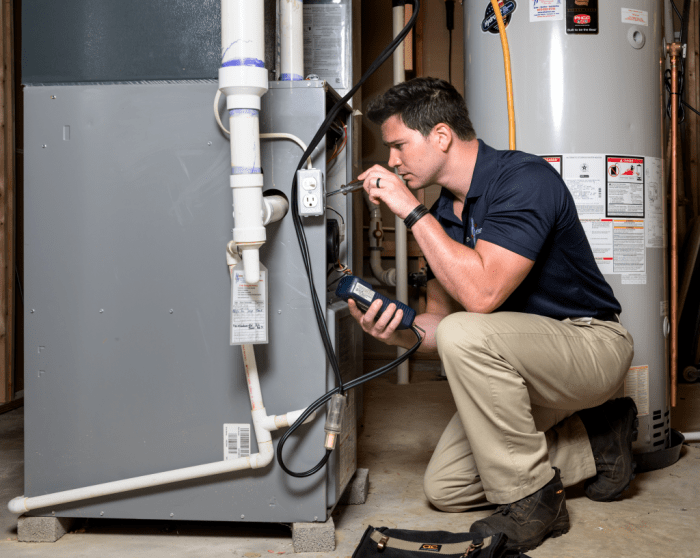
Regular maintenance is key to ensuring your HVAC system functions efficiently and lasts longer. While some tasks are best left to professionals, there are simple maintenance tips homeowners can perform to keep their HVAC systems running smoothly.
Changing Air Filters and Cleaning Vents
Regularly changing air filters and cleaning vents are essential tasks that homeowners can easily do themselves. Here is a step-by-step guide to help you:
- Locate the air filter: Check your HVAC system for the location of the air filter. It is usually found near the return air duct or the blower compartment.
- Turn off the system: Before removing the old air filter, make sure to turn off your HVAC system to prevent any damage.
- Remove the old filter: Carefully take out the old air filter and dispose of it properly.
- Install the new filter: Insert the new air filter in the correct orientation, following the arrows indicating the airflow direction.
- Clean the vents: Use a vacuum or a soft brush to clean the vents and remove any dust or debris that may be blocking airflow.
Remember to follow safety precautions when performing these tasks, such as wearing gloves and ensuring the system is turned off to avoid any accidents.
Regular System Inspections
In addition to changing air filters and cleaning vents, homeowners can also perform regular system inspections to identify any issues early on. Here are some tips for inspecting your HVAC system:
- Check for leaks: Inspect the ductwork for any leaks or gaps that may be affecting the efficiency of your system.
- Monitor thermostat settings: Make sure your thermostat is set correctly and consider upgrading to a programmable thermostat for better control.
- Clear the outdoor unit: Remove any debris or vegetation around the outdoor unit to ensure proper airflow.
- Inspect the condensate drain: Check the condensate drain for clogs and ensure it is functioning properly to prevent water damage.
By following these DIY HVAC maintenance tips, homeowners can help prolong the life of their HVAC systems and ensure they operate efficiently throughout the year.
Final Summary
In conclusion, HVAC tune-ups near you offer a proactive approach to maintaining your HVAC system, ensuring optimal performance and longevity. Take the initiative to schedule regular tune-ups and reap the rewards of a well-maintained heating and cooling system.
FAQ Compilation
What are the benefits of regular HVAC tune-ups?
Regular HVAC tune-ups can help prevent breakdowns, improve energy efficiency, and extend the lifespan of your system.
What is typically included in an HVAC tune-up?
An HVAC tune-up usually involves inspecting, cleaning, lubricating, and adjusting various components of your heating and cooling system.
How can I find a reliable HVAC service provider near me?
Look for reputable HVAC companies by checking licenses, certifications, and customer reviews. Create a checklist to evaluate potential service providers.
What DIY maintenance tasks can homeowners perform for their HVAC systems?
Homeowners can change air filters, clean vents, and perform basic upkeep tasks to keep their HVAC systems running smoothly.